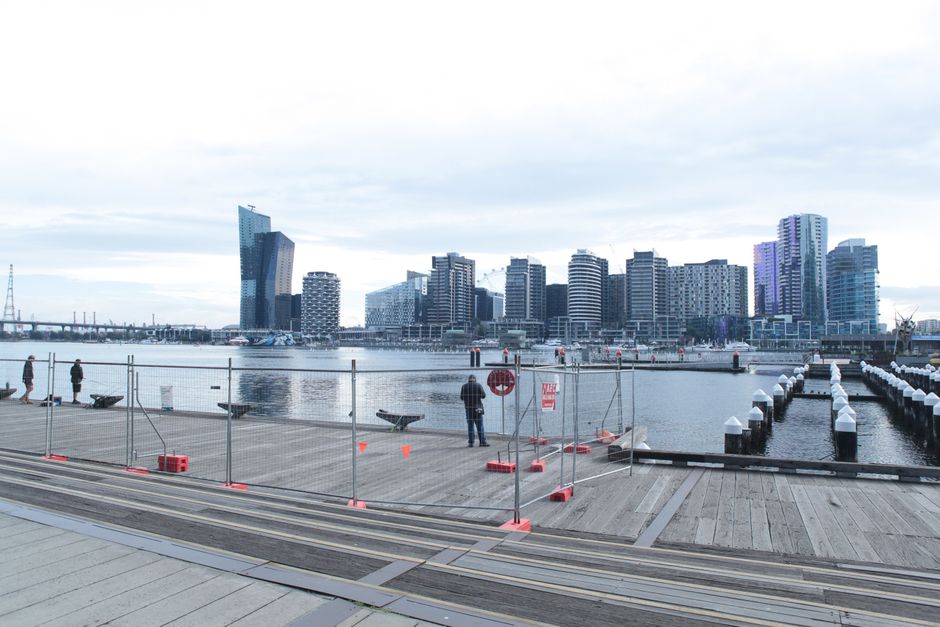
Man with Van in Docklands

Our man with van in Docklands service is built for straightforward local moves, single-item transport and practical help with getting belongings from one place to another. It suits customers who want a flexible removals option without booking a full-scale move they do not need. We focus on careful loading, sensible vehicle use and clear planning so that the work stays organised from the first instruction to the final unload.
The service can cover household items, furniture, boxes, bulky purchases and other everyday loads that need secure handling. It is also useful for smaller business moves where a compact vehicle and hands-on loading make sense. If you are comparing options, our removal services page explains the wider range of moving support available, while this homepage sets out how the Docklands van service works in practical terms.
For a quick start, it helps to think in terms of access and volume rather than simply item count. Narrow hallways, shared entrances, lift use and parking arrangements can all affect how the job is organised. If you already know what needs moving, you can make a clearer enquiry, and if you are still deciding, a short description of the items is usually enough to begin with. Call for a quotation when you are ready to compare the options that fit your move.
Flexible moving help for homes and flats
Many bookings for a man with van service are centred on everyday home transport rather than a complete house removal. That may include a few pieces of furniture, boxed belongings, white goods or items collected from more than one address. The advantage is flexibility: the job can be sized around what actually needs moving, which keeps the arrangement focused and avoids paying for capacity that will not be used.
Because Docklands includes a mixture of apartment living and modern developments, access planning is often as important as the load itself. A careful move takes account of stairways, lift access, loading bays, timed parking and the order in which items should be carried. If you need broader domestic support, the home moves page gives a fuller picture of the kinds of residential moves that can be handled alongside simple van transport, while house removals sets out the more complete moving option.
When preparing an enquiry, a concise list of the main items is more useful than a long explanation. The key details are usually what is being moved, where it is going, whether there are any awkward pieces and whether there are access restrictions at either end. A few notes like these help shape a realistic plan, and they also make it easier to see whether a compact moving vehicle is enough or whether additional help would be sensible.
Furniture transport and careful loading

Furniture transport is one of the most common reasons people choose this type of service. Sofas, beds, tables, wardrobes and office desks all need different handling, especially if they have to pass through tight doorways or shared corridors. Good loading matters here: items should be positioned securely in the vehicle, with heavier pieces placed to support lighter goods and fragile surfaces kept away from pressure points where possible.
If you are moving a single item or a few larger pieces, it is worth considering whether disassembly is needed before collection. Some furniture can be transported as it is, while other items may move more safely when taken apart in advance. For customers comparing options, furniture pick-up is a useful page for understanding collection-style jobs, and removal van gives a clearer view of the vehicle-based side of moving furniture and other loads.
We also pay attention to protecting the route as well as the item. Floors, corners and door frames can be vulnerable during the carrying stage, so the method used to lift and position furniture matters. Careful handling is not just about avoiding damage; it also keeps the move moving smoothly and reduces unnecessary delays. If you need help with a bulky item that is awkward to carry, ask for a quotation and explain the item size as clearly as you can.
Small office moves and business transport
Business customers often need a practical moving solution for desks, chairs, filing units, archive boxes or lightweight equipment. A man with van service can suit these jobs well when the move is limited, time-sensitive or spread across only a few items. It can also be useful for moving equipment between nearby premises, supporting refurbishments or clearing a small office area without arranging a larger commercial operation.
If your work involves a full workplace relocation, more detailed planning is usually needed. The office removals page covers a broader workplace move, while commercial moves is relevant where the relocation is part of a wider business change. For lighter transport tasks, this service can still be a sensible option when the load is modest and a compact vehicle is a better fit than a larger removal truck.
Office jobs are often easier when the items are grouped by area or function before collection. That can mean separating desks from loose paperwork, keeping cables together or marking what is going to a new address versus what is being discarded. These small steps are not complicated, but they support a tidier handover and help the move stay organised once the vehicle is loaded.
Planning access, timing and loading order

A straightforward van move still benefits from sensible planning. The load order affects how securely items travel, while access at collection and delivery points affects how long the work takes. Parking, lift use, long carries and the sequence of stops can all matter. A well-prepared plan reduces the chance of repeated handling and helps the move stay efficient without becoming rushed.
To make an enquiry easier, it is usually enough to share what is being moved, the pick-up and delivery areas, and whether there are any access issues such as stairs or loading restrictions. If the move is more complicated, a few photos can help describe the size and shape of the load, though they are not always essential. Keep the focus on practical information that affects transport rather than on every minor detail.
For customers who want to compare service levels, the movers page gives a general overview of moving support, while man and van removals reflects the kind of flexible, hands-on work that many smaller jobs require. When the load is clear and the route is simple, a concise quotation request is usually the easiest next step. Ask for a quotation once you know the essentials.
When a man with van is the right fit
This type of service is often chosen when the move sits between courier transport and a full removals package. It works well for customers who need help with lifting, loading and local transport, but do not need a large team or multiple vehicles. That makes it suitable for compact flat moves, item collection, student transport, and relocations where the volume is modest but the goods still need proper care.
The service can also support those who have already packed most belongings and simply need the transport side arranged efficiently. In that case, it is useful to compare this option with a more general service such as removals or a dedicated vehicle page like moving van. The right choice depends on how much needs moving, how accessible the premises are and whether any heavier items require extra attention.
Cost is usually influenced by the size of the load, the time needed for loading and unloading, the number of stops, and the ease of access at each end. It is better to describe the real conditions than to guess, because the quote can then reflect the actual job more accurately. That is especially helpful where furniture must be carried a long way, where parking is limited, or where the move involves more than one collection point.
About Docklands
Docklands is an area of east and south-east London shaped by its history as part of the former Port of London and later transformed through major redevelopment from the late twentieth century onwards. The name now covers a group of waterside districts rather than a single neighbourhood, including places such as Canary Wharf, Isle of Dogs and the eastern riverside reaches around Limehouse and Wapping. Its identity is tied to docks, wharves, canals, basins and the River Thames, which together give the area a strong sense of waterfront geography even as the built environment has changed dramatically. The Isle of Dogs is one of the best-known parts of Docklands, with narrow peninsulas, marinas and housing developments sitting alongside business towers and transport links. Canary Wharf, meanwhile, has become one of London’s most recognisable financial districts, with a skyline of office buildings, shopping spaces and public squares. Elsewhere, former dockland landscapes have been reworked into residential blocks, restored waterside paths and open spaces that reveal traces of the area’s maritime past. The London Docklands Museum in West India Quay explores that history through trade, migration, labour and redevelopment, while the wider area is threaded by DLR stations, footbridges and waterside walks that connect different parts of the peninsula and river edge. Despite the heavy urban change, the water remains central to how Docklands reads today, whether viewed from the piers, the terraces around the docks or the elevated routes that cross between developments. The result is a district where old industrial geography, modern architecture and active public realm sit side by side in a way that is distinct within London.
Moving items across Docklands and beyond
Not every job starts and ends in the same district. Some customers need a local transfer within Docklands, while others are moving items to or from another part of London or a nearby address outside the area. The service is suited to this kind of practical transport because it can be arranged around the exact load, the route and the access conditions rather than being tied to a fixed moving pattern. That makes it adaptable for one-off jobs and repeat transport needs alike.
Where goods are especially awkward, it is worth deciding early whether packing help is also needed. A move involving loose items, breakables or mixed contents can sometimes benefit from extra organisation before loading. If that is relevant, packing and unpacking services explains the kind of support that can sit alongside transport, and house movers gives another residential moving option for jobs that are more involved than a simple van transfer.
There is no need to overcomplicate the first enquiry. A short note about the items, the addresses, and any access limits is usually enough to begin. If your job involves several pieces, it helps to say which are the heaviest or most fragile so the loading plan can be set out sensibly. A clear brief usually leads to a clearer quotation, which in turn makes it easier to decide whether this is the right moving option for you.
Additional support, standards and move preparation

In addition to transport itself, customers often want reassurance about how belongings are handled and what kind of preparation is sensible before collection. We aim to keep the process orderly: items are loaded with attention to weight, shape and fragility, and the plan is adjusted to suit the access available. That approach is especially useful where the load includes mixed items rather than one simple piece of furniture.
If you are comparing service information, insurance and safety is a helpful page for understanding the approach to protecting items and working carefully, while pricing and quotes is the place to look when you want to know how quotations are requested. Those pages sit alongside this Docklands service overview and can help you decide what to ask for before booking.
A practical move is usually easier when the items are ready to load, paths are kept clear and any special instructions are shared early. That does not mean every job needs detailed packing or complex preparation; it simply means the key facts should be available. If you have a particular item that needs extra care, mention it directly rather than waiting until the day. Get in touch for a quotation if you want to discuss a specific moving arrangement.
Useful pages for related moving needs
Some customers start with a simple van move and later realise they need a different kind of help. That is why it can be useful to compare related service pages before deciding. The more clearly the job is defined, the easier it is to choose between a basic transport arrangement and a broader removal package. For general browsing, man with van and man with van removal both reflect the same flexible style of service in slightly different wording.
If the move includes a full property clear-out, larger furniture loads or multiple rooms of belongings, a more complete removals page may suit you better than a transport-only option. If it is just a single collection, a few boxes or a small load of mixed items, then this service may be the simpler choice. The aim is to match the vehicle and the effort to the real task rather than forcing every job into the same mould.
For that reason, it helps to avoid making assumptions about what the move will need. Two jobs that look similar at first can turn out to be very different once access, item size and packing are considered. A short, accurate description lets the quotation reflect the job properly, and it gives you a clearer basis for deciding how to proceed. Request a quotation when you have the main details to hand.
Final arrangements and next steps

When the service is arranged, the main aim is to keep the move straightforward and manageable. That means agreeing the load, the route and the practical access points before collection, then carrying out the transport in a controlled way. Whether you are moving a single bulky item, a handful of boxes or a small domestic or business load, the right preparation keeps the task focused and avoids unnecessary complications.
If you are still comparing options, the difference between a compact van move and a broader removals service usually comes down to volume, handling and how much support is needed at either end. A clear description of the job makes that easier to assess. You can use the related pages on this site to compare the general service types, then decide which one fits the move you actually need rather than the one you first expected.
For a more precise quotation, share the pick-up and delivery details, the main items, and any access limits that could affect loading. If you already know the dates you have in mind, include those as well. That leaves enough information to shape a realistic plan without adding unnecessary back-and-forth. Contact us for a quotation when you are ready to move ahead.